
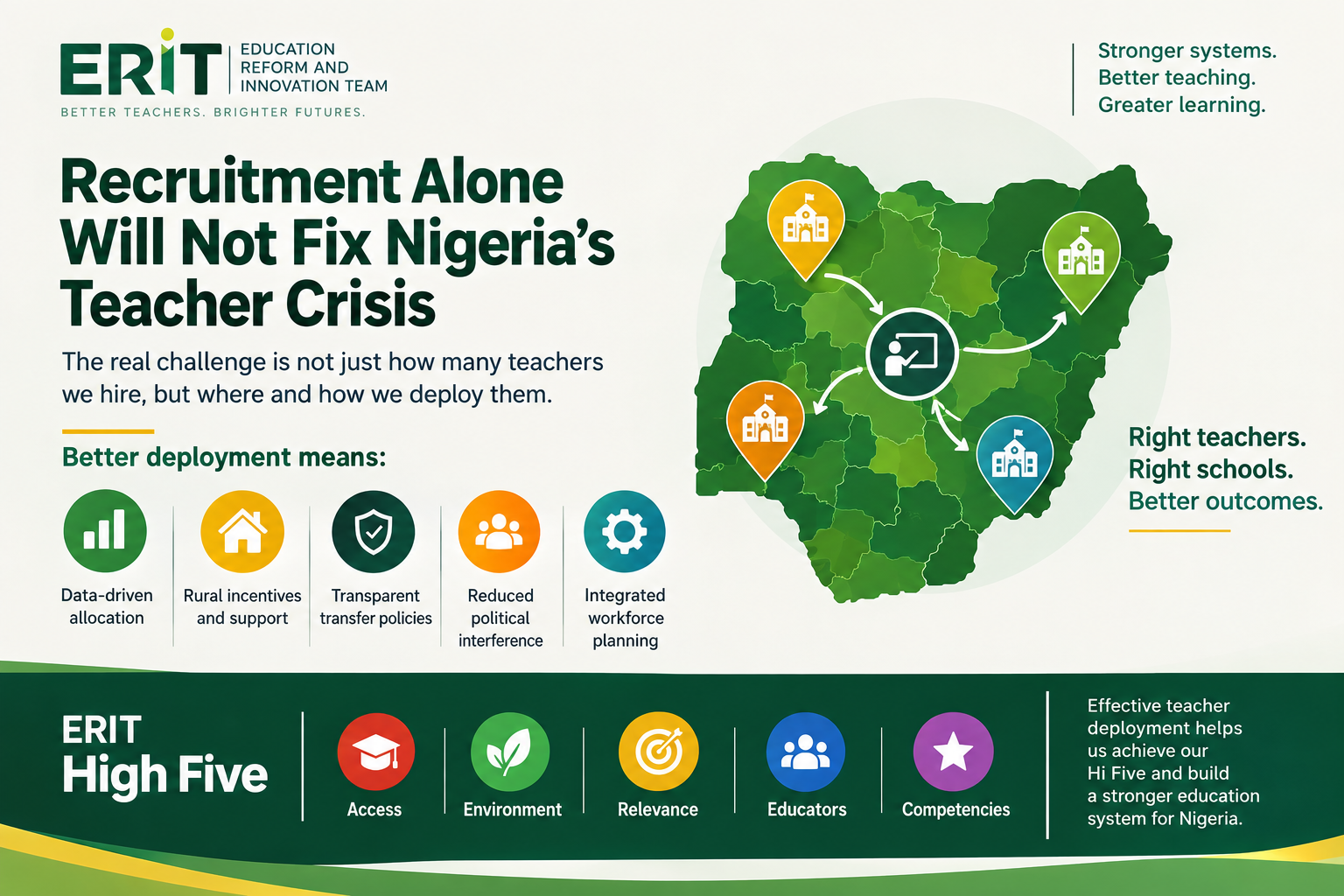
Every few months, we see headlines announcing the recruitment of thousands of new teachers. It sounds like progress. But in too many rural communities, one teacher still handles multiple classes. Some secondary schools still have no physics teacher. Others lack mathematics or English specialists. Meanwhile, in certain urban centres, staffrooms are full. This is the uncomfortable truth: Nigeria does not just have a teacher shortage problem. It has a teacher deployment problem. The Real Issue: Maldistribution On paper, pupil–teacher ratios may look reasonable. But averages hide inequality. Data from the Universal Basic Education Commission and the National Bureau of Statistics show persistent disparities between urban and rural schools across states. The pattern is familiar: The result? Surplus in some schools.Acute shortage in others. Same state. Same payroll. Very different realities. Recruitment without rational deployment simply redistributes imbalance. Why Recruitment Alone Fails When governments focus exclusively on hiring more teachers, three things happen: 1. The Wage Bill Grows, But Inequality Persists States expand salary commitments without guaranteeing that underserved schools benefit. Public expenditure rises. Learning outcomes remain uneven. That is fiscal inefficiency. 2. Rural Learners Fall Further Behind In many rural schools: Education becomes determined by geography. And that is an equity failure. 3. Subject Imbalance Continues We recruit more teachers, but not necessarily in the subjects where they are most needed. STEM shortages persist. Workforce planning remains weak. The system hires in bulk, but deploys without precision. The outcome is predictable: numbers improve on paper, but classroom experience barely changes. The Political Economy of Posting Let’s confront the sensitive issue. In many states, teacher deployment is not purely technical. After recruitment: When posting becomes a function of influence rather than need, the system sends a signal: equity is optional. That erodes trust, not just in policy, but in governance itself. What Serious Reform Should Look Like If we are committed to improving learning outcomes, deployment must be treated as a strategic lever, not an administrative afterthought. Here are four reforms that matter: 1. Data-Driven Allocation Teacher posting should be tied to: Technology can minimize arbitrary decisions. 2. Structured Rural Incentives Rural service cannot be punitive. Make it professionally attractive through: Compulsion without incentives breeds resistance. Incentives with structure build stability. 3. Transparent Transfer Policies Clear, published rules reduce manipulation. Scheduled transfer windows prevent constant movement. Enforcement restores credibility. 4. Integrated Workforce Planning Recruitment quotas must align with: Hiring and deployment must function as one coordinated system. The Deeper Question At its core, teacher maldistribution is not a staffing issue. It is a justice issue. When urban schools are overstaffed while rural schools struggle, we institutionalize inequality. Children’s educational futures become tied to their postcode. No serious nation can accept that. A Leadership Challenge Nigeria needs more teachers. But numbers alone will not solve the crisis. The more important question is this: Are the right teachers in the right schools, teaching the right subjects, where learners need them most? Until deployment reform becomes as urgent as recruitment, we will continue celebrating impressive hiring figures while rural classrooms remain underserved. It is time to shift the conversation from how many teachers we hire to where and how we deploy them. That is where real reform begins. Adeyemi Adedeji, On behalf of the Education Reform and Innovation Team
What if University Became a Source of Venture Capital?
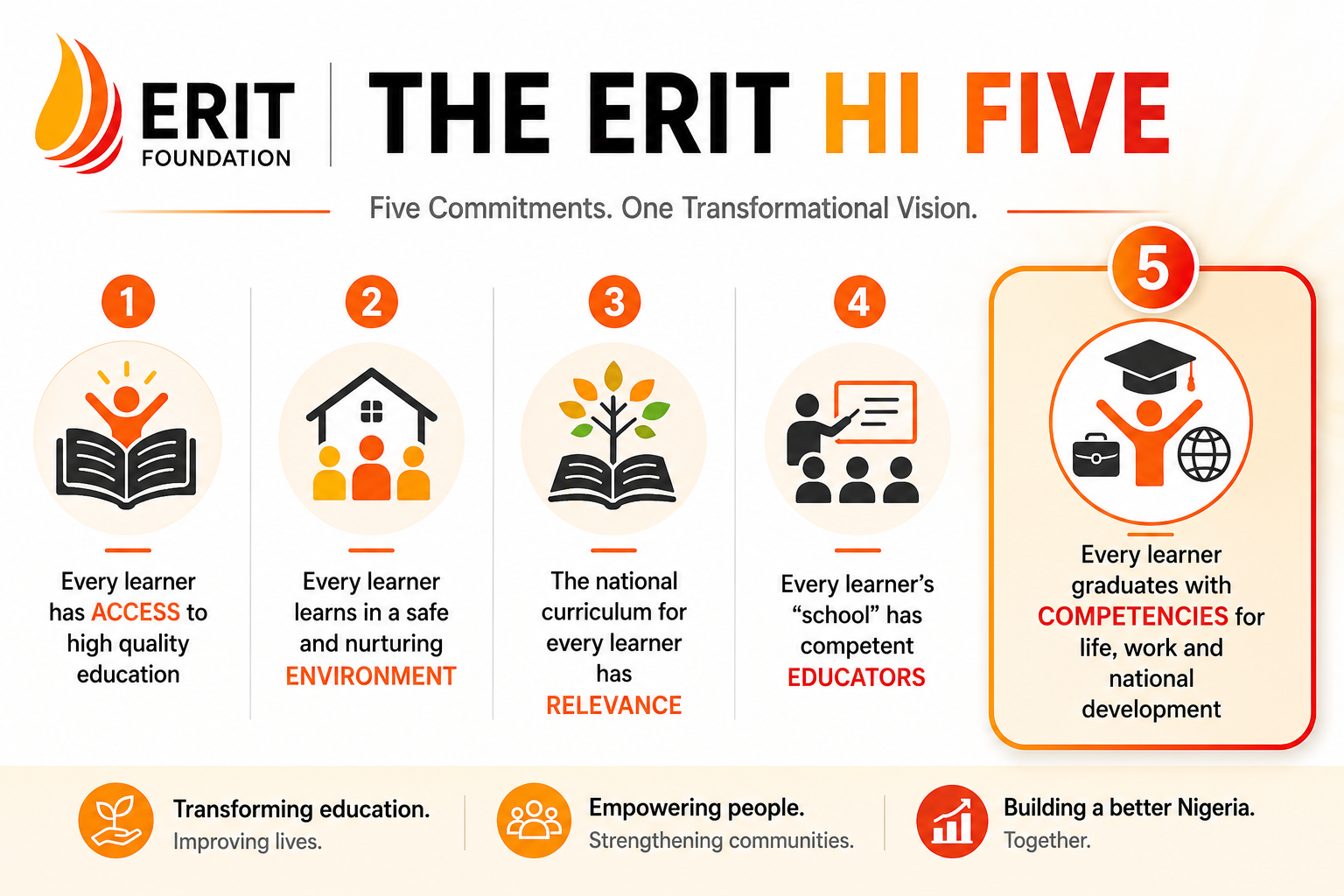
Rethinking what it means to graduate with competencies for life, work and national development. For decades, the traditional university proposition has been relatively simple: study, graduate and get a job. But what if universities could do more than prepare young people to enter the economy? What if they could help young people create businesses, solve problems and build the economy? The Masters’ Union, a business school in India, offers an intriguing model. Students who have a startup idea receive entrepreneurial training, mentorship and financial support to pursue their venture while still having the security of completing a degree. The university, in effect, helps provide both the education and the runway to take a serious shot at entrepreneurship. The idea is simple but powerful. A young person with a promising idea often faces a difficult choice: get a job and earn an income, or take the risk of building a business with no guarantee of survival. The Masters’ Union model creates a third option. Learn. Build. Test. Get support. And have enough financial runway to give the venture a genuine chance. The student develops practical entrepreneurial skills, learns how to refine and test an idea, understands customers, builds a product and gains access to mentorship and networks. If the venture fails, the student still has a degree and the competencies developed along the way. If it succeeds, the student may have built a business capable of creating jobs and solving real problems. The model recognises a fundamental reality of entrepreneurship: many potentially good businesses fail not because the idea is bad, but because the founder runs out of money before the idea has had enough time to mature. It also recognises that entrepreneurship is not just about having ideas. It requires skills, discipline, mentorship, experimentation, resilience and capital. And this is where the idea becomes particularly interesting for Nigeria. We are already seeing encouraging investments by Nigerian companies in university innovation and skills development. Moniepoint’s ₦3 billion investment in innovation hubs across three federal universities is aimed at strengthening digital talent and equipping young Nigerians with practical competencies in areas including software engineering, AI, robotics, product development, data science, design and entrepreneurship. UBA has established a Business Office and Innovation Hub at the University of Lagos, creating a stronger connection between academia, industry and entrepreneurship. Veritas University has also invested ₦1.3 billion in a Skills and Innovation Hub designed to equip students with industry-relevant technology and enterprise competencies. These are important investments. But perhaps we should ask the next question. What happens after a young person has acquired the skills? An innovation hub creates the environment for creativity. A venture fellowship or startup fund can take the next step: helping a young person turn creativity into a functioning enterprise and giving them enough runway to discover whether the idea can actually work. The strongest model for Nigeria may therefore be a combination of both. Imagine universities where young people can: Learn practical and technical competencies. Create solutions to real problems. Test those solutions with real users. Receive entrepreneurial training and mentorship. Access seed funding or a modest founder stipend. Build a business while completing their education. This is precisely the kind of outcome we have in mind with the fifth of ERIT’s High Five: Young people graduating with competencies for life, work and national development. That means more than producing graduates who are qualified to apply for jobs. It means producing young people who can identify problems, think critically, use technology, create solutions, work with others, build enterprises and contribute meaningfully to their communities and country. And the opportunity is not limited to technology. It could be agriculture, food production, manufacturing, education, healthcare, logistics, the creative economy or any other sector where young Nigerians see a problem worth solving. The investor wins. The university becomes more relevant. The community benefits from new solutions and new businesses. The young entrepreneur gets a genuine chance. And the nation benefits from a growing pipeline of enterprises, jobs, innovation and productive economic activity. The future of higher education may not be about choosing between a degree and a skill. It may be about creating institutions where knowledge, skills, creativity, entrepreneurship and opportunity come together. Universities should not only award certificates. They should become fertile grounds for practical creativity. They should help young people move from: “I have an idea.” to “I have tested it.” to “I have built something that works.” Perhaps, with the right partnerships between universities, companies, investors, government and philanthropic organisations, the next generation of Nigerian entrepreneurs will not have to choose between getting an education and pursuing their dreams. They can do both. That is what it means for young people to graduate with competencies for life, work and national development. By Adeyemi Adedeji CEO On behalf of the Education Reform and Innovation Team #Education #Entrepreneurship #Innovation #YouthDevelopment #HigherEducation #Skills #Nigeria #NationalDevelopment #ERIT #AbiaFIRST
Securing the Sanctity of Learning: A Multi-Tiered Reform Blueprint Against School Abductions
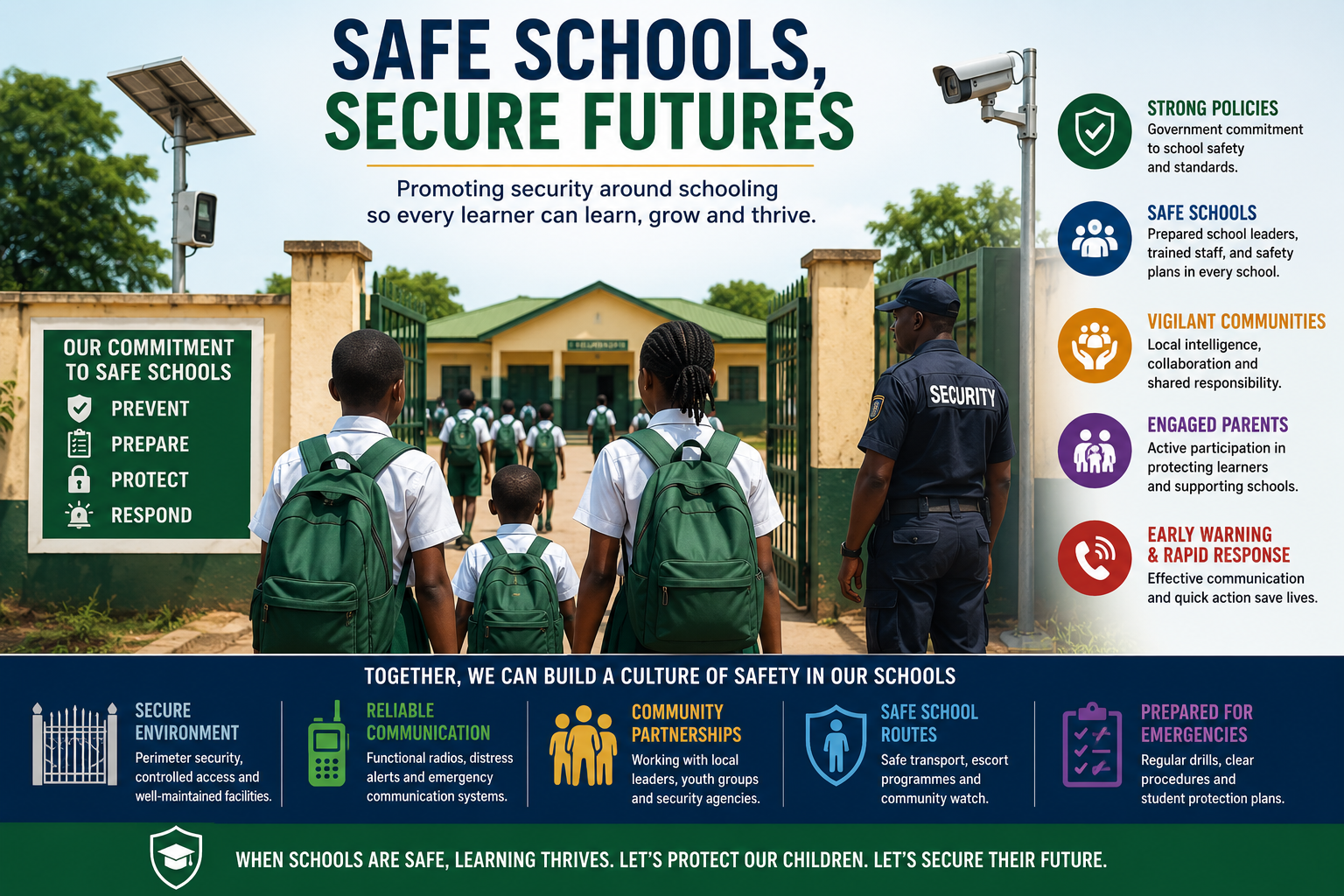
An Actionable Policy Framework for the Education Reform and Innovation Team (ERIT) The recent abduction and prolonged captivity of school children and teachers in parts of Nigeria once again exposes a profound structural vulnerability within the nation’s education system. While security agencies often bear the responsibility for responding to such incidents, school safety cannot be treated solely as a military or law enforcement concern. It is fundamentally an education governance issue. Schools cannot fulfil their mandate of teaching and learning where fear has replaced safety. Every school abduction undermines public confidence in education, disrupts learning, traumatizes children and teachers, and increases the likelihood of school dropout, particularly among girls and vulnerable learners. Protecting schools must therefore become an integral component of educational planning, management, and accountability. To reduce the risk of future attacks, Nigeria must move beyond reactive responses and establish a comprehensive system of prevention, preparedness, deterrence, and rapid response. This requires coordinated action across four critical stakeholder groups: government, school leaders, communities, and parents. 1. Government: Institutional Fortification and System-Level Security Government bears the primary responsibility for creating an enabling environment in which schools can operate safely. This requires both strategic investment and regulatory oversight. Comprehensive School Risk Mapping Federal and state Ministries of Education should undertake a nationwide geospatial audit of schools, identifying institutions located near forests, border communities, conflict-prone areas, major transit routes, and other high-risk zones. Such mapping should inform differentiated security interventions based on risk profiles rather than a one-size-fits-all approach. Off-Grid Emergency Communication Systems Many vulnerable schools operate in areas with weak or non-existent telecommunications coverage. Governments should deploy solar-powered distress beacons, radio-based emergency systems, mesh-network communication devices, and other resilient technologies capable of transmitting alerts even when conventional mobile networks fail. The ability to communicate during the first minutes of an attack can significantly improve response outcomes. Full Operationalization of the Safe Schools Initiative Resources allocated to school safety should prioritize frontline protection measures rather than administrative expenditures. Funding should support local security infrastructure, community-based surveillance mechanisms, and the deployment of trained security personnel, including Forest Guards and other approved security structures, around vulnerable educational clusters. Minimum School Security Standards Governments should establish legally enforceable minimum safety standards for all schools. These standards should include perimeter protection, emergency communication systems, evacuation protocols, and access-control measures. Schools that fail to meet basic safety requirements should receive targeted support and, where necessary, temporary consolidation into safer locations until risks are mitigated. Integrated School Safety Governance School safety should be embedded within broader education sector planning. State education authorities should routinely monitor safety indicators alongside learning outcomes, teacher deployment, infrastructure quality, and school attendance data. 2. School Leaders: Operational Preparedness and Risk Management School leaders serve as the first line of defence in protecting learners and staff. Their role extends beyond administration to proactive risk management. Controlled Access and Environmental Design Schools should adopt single-point-of-entry systems, maintain visitor registration procedures, and eliminate dense vegetation or visual obstructions around school perimeters. Physical environments should be designed to improve visibility and reduce opportunities for surprise attacks. Early-Warning and Rapid Alert Mechanisms Every school should maintain direct communication channels with nearby police stations, military formations, civil defence units, and accredited community security networks. School administrators should have access to silent alarm systems and emergency reporting protocols capable of triggering immediate response. Crisis Preparedness and Simulation Exercises Emergency preparedness should become a routine aspect of school management. Schools should conduct periodic drills covering shelter-in-place procedures, evacuation protocols, reunification processes, and emergency communication arrangements. During a crisis, trained responses save lives. School Safety Committees Each school should establish a safety committee comprising administrators, teachers, parent representatives, and community stakeholders responsible for overseeing preparedness plans and coordinating risk mitigation efforts. 3. Communities: Local Vigilance and Collective Responsibility Communities are often the earliest source of intelligence and the first responders in rural environments. Their involvement is essential to effective school protection. Joint Action Security Committees (JASC) Communities should establish formal security committees comprising traditional rulers, youth groups, religious leaders, women leaders, local hunters, and other trusted stakeholders. These committees should coordinate surveillance efforts and maintain regular engagement with security agencies. Community-Based Intelligence Networks Farmers, hunters, transport operators, and local residents possess valuable knowledge of terrain, movement patterns, and unusual activities. Structured channels should be created to ensure that such intelligence is systematically shared with school authorities and security agencies. Ownership of School Security School safety must be viewed as a community responsibility rather than solely a government obligation. Communities should actively participate in monitoring school environments, supporting emergency response systems, and safeguarding educational assets. Public Awareness and Social Mobilization Regular awareness campaigns can help communities recognize emerging threats, report suspicious activities, and understand their role in protecting children and schools. 4. Parents: Organized Protection and Accountability Parents are indispensable partners in ensuring learner safety. Their involvement should extend beyond enrolment and academic monitoring to active participation in school security arrangements. Parent-Led Transit Cohorts In vulnerable areas, parents should organize supervised group transportation systems, including walking buses, shared vehicles, and coordinated pick-up arrangements. Reducing isolated movement significantly lowers children’s exposure to risk. Dynamic Security Communication Networks Parents should participate in dedicated communication channels for sharing security-related information. SMS groups, radio networks, and verified messaging platforms can facilitate the rapid dissemination of alerts and situational updates. Active Engagement with School Safety Structures Parents should be represented on school safety committees and participate in periodic reviews of school security measures, emergency preparedness plans, and risk assessments. Accountability and Advocacy Parents can serve as powerful advocates for improved school safety standards by engaging school authorities, local governments, and policymakers on identified gaps and emerging concerns. Strategic Mandate for ERIT As the Education Reform and Innovation Team (ERIT), our role is not to provide armed security or conduct security operations. Rather, our comparative advantage lies in shaping policy, strengthening institutions, generating evidence, building capacity, and driving systemic reform. School safety must become a core component of educational quality and school effectiveness. A school cannot be considered

Building Collaboration Across Sectors
No single institution can reform education alone. True transformation happens when government, private sector, civil society, and development partners work together toward a shared vision. At ERIT, we see collaboration as the cornerstone of sustainable education reform. Why Collaboration Matters Education challenges are complex from access and quality to funding and skills development. Each sector brings a unique strength: Government sets the policy and provides structure. Private sector drives innovation and investment. Development partners offer technical expertise and resources. Communities and CSOs ensure accountability and relevance. When these forces align, reforms move from isolated projects to system-wide change. ERIT’s Approach ERIT serves as a bridge across sectors creating platforms for dialogue, designing joint programmes, and aligning goals around impact.Our model ensures that reform is locally owned, technically sound, and collectively sustained. Collaboration isn’t just coordination it’s co-creation. By bringing all players to the same table, we can build an education system that is inclusive, innovative, and prepared for the future.

Why Education Reform Must Start with the Teacher
Across Nigeria, conversations about education reform often begin with infrastructure building new classrooms or distributing learning materials. While these are critical, the true transformation begins with one key player: the teacher. Without empowered, well-trained, and motivated teachers, every reform effort remains incomplete. Teachers at the Heart of Learning Teachers are the single most important factor in student achievement after the learner’s own effort. Yet, many teachers face outdated training systems, limited support, and insufficient access to professional growth opportunities.At ERIT, we see teachers not just as implementers of the curriculum, but as change agents capable of reshaping the learning experience for millions of children. Reform Beyond Training Traditional workshops alone can’t solve the teacher development gap. Reform must go deeper — into how teachers are recruited, trained, supported, and evaluated. That’s why ERIT’s teacher development pillar focuses on: Establishing clear teacher standards and competency frameworks. Creating continuous professional development pathways that blend digital and in-person learning. Building communities of practice where teachers learn from one another. Designing mentorship systems to strengthen classroom delivery. This systemic approach ensures that teaching is not an isolated act, but a professional journey of continuous improvement. A Future-Ready Workforce In today’s world, learners need more than knowledge — they need skills like critical thinking, creativity, and adaptability. Teachers are the bridge between the curriculum and these future-ready competencies. Empowering them means empowering a generation. ERIT’s Commitment Through our partnerships with state governments, development agencies, and training institutions, ERIT is shaping a new model of teacher education.A model where teachers have access to modern tools, ongoing support, and a community that values their growth. Because no education system can rise above the quality of its teachers. Reforming education begins with reforming how we see teachers not just as service providers, but as leaders of learning. At ERIT, we remain committed to ensuring every teacher is prepared, supported, and inspired to deliver quality education for every child.

The Role of Data in Building Stronger Education Systems
Education reform requires more than good intentions it requires evidence. Data is the backbone of every effective education system. It tells us where we are, what’s working, and where to go next.Yet across many education systems, decisions are still made with limited or outdated information. At ERIT, we believe that data-driven governance is not just a technical process it’s a pathway to equity, accountability, and continuous improvement. Why Data Matters Data helps transform abstract goals into measurable results. It turns national policies into actionable insights and connects classrooms to policymakers through evidence. With reliable education data, leaders can: Identify schools and communities most in need of intervention. Track teacher performance and professional growth. Monitor student attendance and learning outcomes. Allocate resources more efficiently and transparently. Evaluate which reforms actually deliver results. Without data, reforms risk becoming guesswork. With it, every decision is informed, strategic, and impactful. The Data Gaps in Nigeria’s Education System Nigeria has made progress in data collection through initiatives like the Annual School Census. However, challenges remain including data fragmentation, limited validation, and slow reporting cycles.In many states, education data is stored in multiple unlinked systems, making it hard for policymakers to see the full picture of learning outcomes or school performance. This gap leads to poor planning and inconsistent policy implementation. For instance, without accurate data, it’s difficult to know how many teachers are needed, where new schools should be built, or which interventions are improving learning. ERIT’s Approach to Data and Policy Reform At ERIT, data is not an afterthought it’s the foundation of our reform model. Our Education Data, Policy, and Advisory Services pillar focuses on: Strengthening data systems across ministries, boards, and agencies. Designing digital dashboards that provide real-time visibility into education performance. Building local capacity for data analysis, visualization, and reporting. Using evidence to drive planning, budgeting, and accountability. Through partnerships with state governments and development partners, we help ensure that decisions from the classroom to the State Executive Council are informed by accurate, timely, and actionable information. From Data to Decisions Collecting data is only the first step. The true power lies in how data is used. That’s why ERIT emphasizes translating numbers into narratives that policymakers, school leaders, and teachers can act on. We believe that every education stakeholder from teachers tracking attendance to commissioners approving budgets should be empowered to use data for decision-making. Looking Ahead A stronger education system is one that learns from itself. With better data, Nigeria can build a culture of learning not only in classrooms, but within the system itself. ERIT remains committed to supporting this shift ensuring that data becomes the DNA of education reform in Nigeria. Data is not just a tool; it’s the truth that guides reform. By investing in data systems, building capacity, and fostering collaboration, Nigeria can create an education system that is efficient, equitable, and sustainable. At ERIT, we are helping make that vision a reality one dataset, one policy, and one decision at a time.